

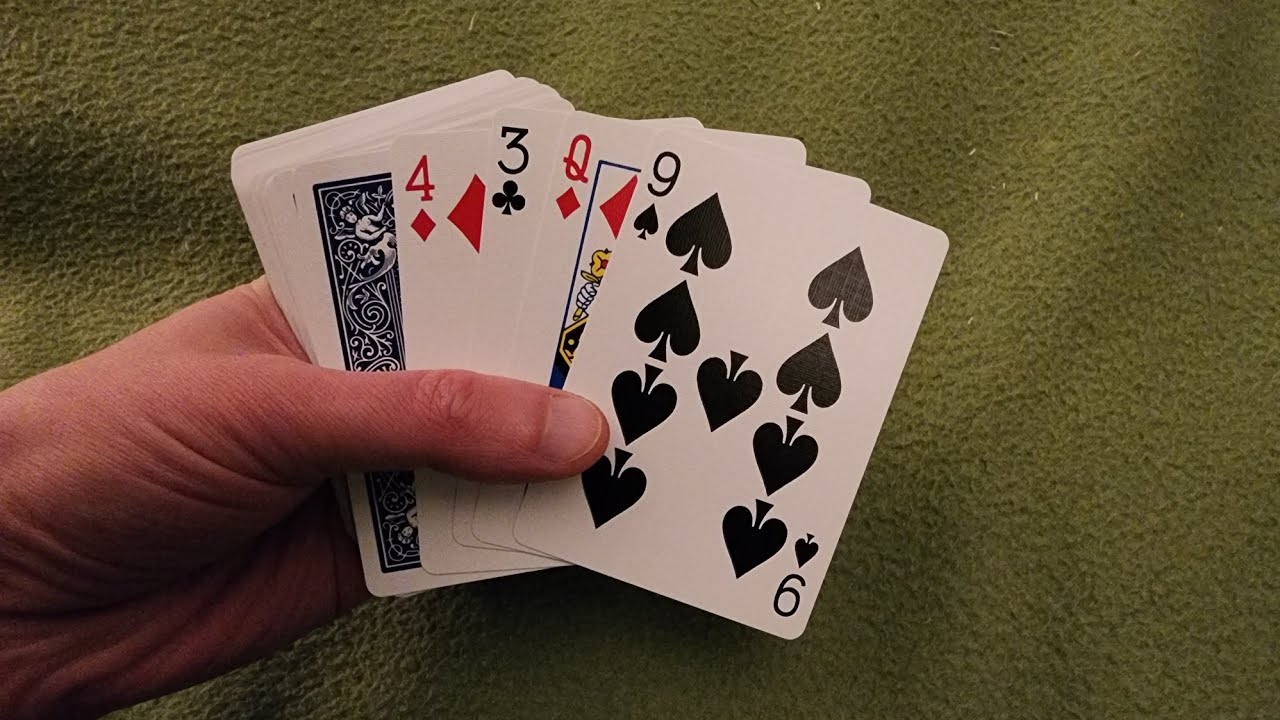
Card games have entertained people for centuries, blending strategy, chance, and social interaction into a single experience. From casual family nights to professional tournaments, card games remain one of the most accessible and versatile forms of play across cultures.
What Is a Card Game?
A card game is a structured activity played with a deck of cards, where players follow specific rules to achieve a defined objective. Objectives may include winning tricks, forming combinations, shedding cards, or accumulating points.
Card games can be played:
-
Solo
-
One-on-one
-
In groups or teams
Their flexibility makes them suitable for both competitive and recreational play.
A Brief History of Card Games
Card games originated in ancient China around the 9th century and gradually spread to the Middle East and Europe. By the 14th century, playing cards were widely popular in Europe, evolving into regional decks and rule variations.
Key historical milestones include:
-
Introduction of suits and face cards in Europe
-
Development of standardized 52-card decks
-
Rise of casino and tournament card games
Types of Card Games
Card games can be classified based on gameplay mechanics and objectives.
Trick-Taking Games
Players compete to win rounds called tricks.
-
Bridge
-
Spades
-
Hearts
Matching and Combination Games
Focus on forming specific sets or sequences.
-
Rummy
-
Gin Rummy
-
Canasta
Shedding Games
The goal is to get rid of all cards first.
-
Uno
-
Crazy Eights
-
Old Maid
Gambling and Casino Card Games
Often played for money or chips.
-
Poker
-
Blackjack
-
Baccarat
Solitaire and Single-Player Games
Designed for individual play.
-
Klondike Solitaire
-
FreeCell
-
Spider Solitaire
Common Components of a Card Game
Most card games share these essential elements:
-
Deck: Standard, custom, or multiple decks
-
Players: Defined minimum and maximum numbers
-
Rules: Governing turns, actions, and scoring
-
Objective: Clear win or end condition
Understanding these components makes learning new card games easier.
Why Card Games Remain Popular
Card games continue to thrive due to their wide-ranging benefits.
Social Benefits
-
Encourage communication and bonding
-
Suitable for all age groups
-
Easy to learn and teach
Mental Benefits
-
Improve memory and concentration
-
Develop strategic thinking
-
Enhance decision-making skills
Practical Benefits
-
Require minimal equipment
-
Portable and travel-friendly
-
Adaptable to different skill levels
How to Choose the Right Card Game
Selecting the right card game depends on your preferences and setting.
Consider the following:
-
Number of players available
-
Time constraints
-
Complexity level
-
Competitive or casual mood
Beginners often start with simple shedding or matching games before exploring strategy-heavy options.
Frequently Asked Questions (FAQs)
What is the most popular card game in the world?
Poker is widely considered the most popular card game globally due to its presence in casinos, tournaments, and online platforms.
Can card games improve brain health?
Yes, many card games enhance memory, focus, and problem-solving skills through strategic play.
Are card games suitable for children?
Many card games are designed specifically for children and help develop counting, matching, and social skills.
How many cards are in a standard deck?
A standard deck contains 52 cards, divided into four suits with numbered and face cards.
What is the easiest card game for beginners?
Games like Crazy Eights, Go Fish, and Uno are beginner-friendly and easy to learn.
Can card games be played professionally?
Yes, games such as poker and bridge have professional circuits, tournaments, and rankings.
Do all card games rely on luck?
Most card games combine luck and skill, though the balance varies depending on the game’s rules and structure.

Comments are closed.