

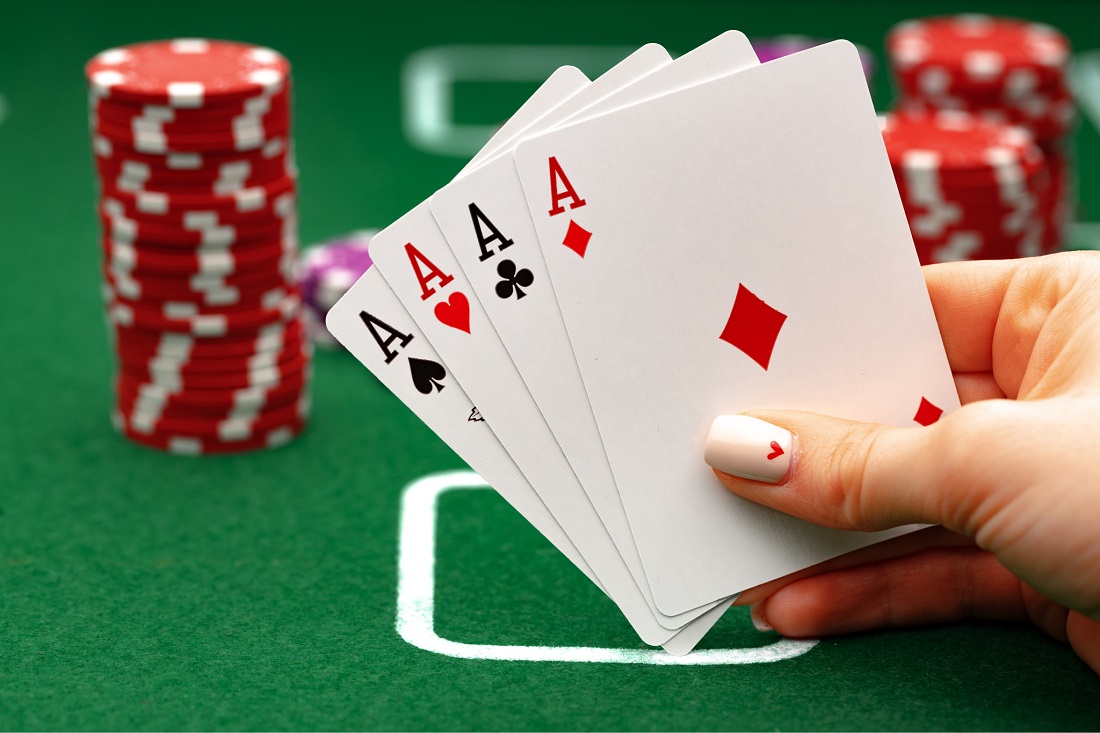
Introduction to Poker
Poker is one of the most popular card games in the world, blending skill, strategy, psychology, and probability. Played casually among friends or competitively in high-stakes tournaments, poker has evolved from a simple pastime into a global phenomenon. What sets poker apart from many other games is that long-term success depends far more on decision-making than on luck.
The Basic Concept of Poker
At its core, poker is a game where players compete to win chips or money by forming the best possible hand or by convincing opponents to fold.
Key elements include:
-
A standard 52-card deck
-
Betting rounds where players wager chips
-
Winning either by having the strongest hand or by strategic bluffing
Popular Poker Variations
Poker is not a single game but a family of related games. Each variation has unique rules and strategies.
Texas Hold’em
The most widely played version of poker. Players receive two private cards and use five community cards to make the best hand.
Omaha
Similar to Texas Hold’em, but players are dealt four private cards and must use exactly two of them.
Seven-Card Stud
No community cards are used. Each player receives seven cards, some face-up and some face-down.
Five-Card Draw
One of the simplest forms of poker, often played by beginners. Players can exchange cards to improve their hand.
Poker Hand Rankings
Understanding hand rankings is essential for playing poker effectively.
From highest to lowest:
-
Royal Flush
-
Straight Flush
-
Four of a Kind
-
Full House
-
Flush
-
Straight
-
Three of a Kind
-
Two Pair
-
One Pair
-
High Card
Essential Poker Strategies
Winning poker consistently requires more than knowing the rules.
Position Awareness
Your position at the table greatly affects decision-making. Acting later provides more information about opponents’ actions.
Bankroll Management
Smart players protect their funds by setting limits and choosing stakes wisely.
Reading Opponents
Observing betting patterns, timing, and behavior helps predict opponents’ hands.
Bluffing Wisely
Bluffing is powerful when used selectively. Overusing it can quickly lead to losses.
Poker Tournaments vs Cash Games
Poker is commonly played in two formats:
-
Cash Games: Chips represent real money, and players can join or leave anytime.
-
Tournaments: Players pay a buy-in and compete until one player wins all the chips.
Each format requires a different mindset and strategy.
The Global Appeal of Poker
Poker’s popularity has surged due to televised tournaments, online platforms, and international events. Major competitions attract players from all skill levels and backgrounds, making poker both accessible and competitive worldwide.
Responsible Poker Play
Poker should always be played responsibly. Understanding risks, setting time limits, and playing within your means ensures the game remains enjoyable rather than stressful.
Frequently Asked Questions (FAQ)
What skills are most important in poker?
Strategic thinking, emotional control, mathematical understanding, and observation skills are crucial.
Is poker considered gambling or a skill game?
Poker involves both chance and skill, but long-term success heavily depends on skill.
Can beginners learn poker easily?
Yes, poker is easy to learn at a basic level, though mastering it takes time and practice.
What is the best poker variation for beginners?
Texas Hold’em is widely recommended due to its simple rules and extensive learning resources.
How long does it take to become good at poker?
This varies by individual, but consistent practice over months or years is typically required.
Do online and live poker require different strategies?
Yes, online poker relies more on betting patterns, while live poker allows reading physical cues.
Is poker purely about luck?
Luck influences short-term outcomes, but skill determines long-term results.

Comments are closed.