

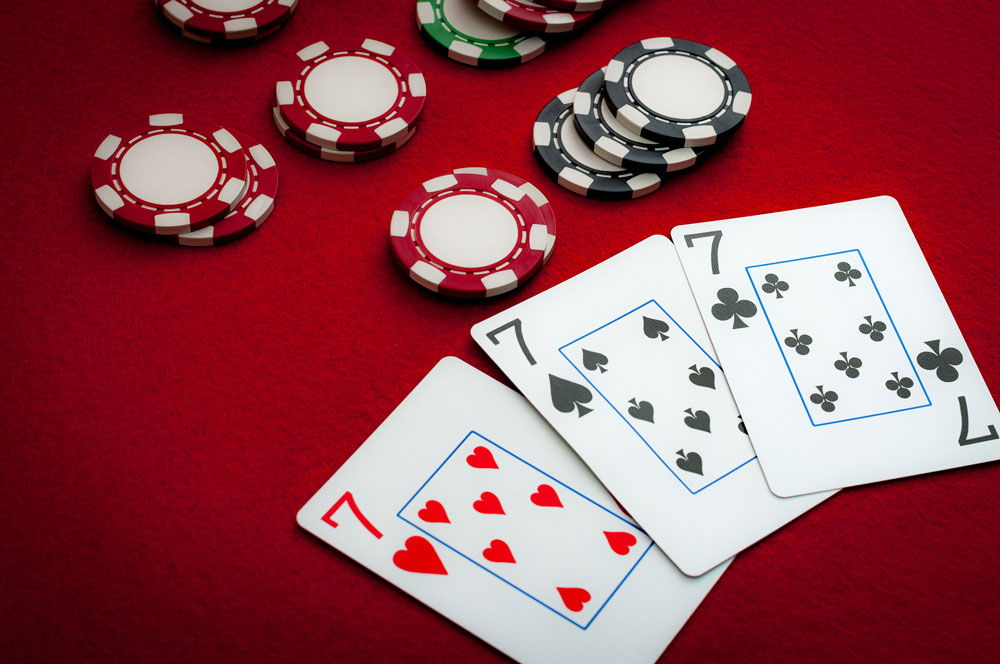
Poker is a strategic card game where players compete to win chips or money by forming the strongest hand or persuading opponents to fold. While chance influences individual hands, long-term success depends on calculated decisions, discipline, and the ability to read situations effectively.
How Poker Works
Poker games follow a structured flow that revolves around betting and hand strength.
Core components include:
-
A 52-card deck
-
Private cards dealt to players
-
Shared or community cards in certain variants
-
Multiple betting rounds
-
A showdown, unless all but one player folds
The objective remains consistent: win the pot by having the best hand or forcing others to give up theirs.
Common Poker Variations Explained
Texas Hold’em
The most recognized poker format. Players receive two hole cards and combine them with five community cards to form the best hand.
Omaha Poker
Players are dealt four private cards and must use exactly two of them along with three community cards.
Seven-Card Stud
This classic version has no community cards. Each player builds a hand from seven individually dealt cards.
Five-Card Draw
Often seen in casual settings, this variation allows players to replace unwanted cards after the initial deal.
Poker Hand Rankings
Knowing hand rankings is essential for sound decision-making.
Highest to lowest:
-
Royal Flush
-
Straight Flush
-
Four of a Kind
-
Full House
-
Flush
-
Straight
-
Three of a Kind
-
Two Pair
-
One Pair
-
High Card
Key Skills Needed to Succeed in Poker
Strategic Thinking
Good players evaluate odds, opponent behavior, and betting patterns before acting.
Emotional Control
Maintaining composure prevents costly mistakes caused by frustration or overconfidence.
Table Position Awareness
Late positions provide more information, giving players a strategic edge.
Selective Bluffing
Bluffing works best when used sparingly and in believable situations.
Cash Games and Tournaments
Poker is typically played in two main formats.
-
Cash Games: Chips reflect real money, and players can leave at any time.
-
Tournaments: Players pay a fixed entry fee and compete until one player remains.
Each format demands a different approach to risk and chip management.
Why Poker Remains Popular Worldwide
Poker’s enduring appeal lies in its balance of logic and psychology. Global tournaments, online platforms, and media exposure have transformed it into a competitive mind sport enjoyed by millions across cultures.
Playing Poker Responsibly
Responsible poker play involves setting limits, understanding variance, and recognizing when to step away. Viewing poker as entertainment rather than guaranteed income helps maintain a healthy relationship with the game.
Frequently Asked Questions (FAQ)
Is poker mainly luck or skill?
Luck affects short-term outcomes, but skill determines consistent long-term success.
What is the easiest poker game to learn?
Texas Hold’em is considered the most beginner-friendly due to its simple structure.
Can poker be profitable?
Yes, but only for disciplined players who manage bankrolls and continually improve skills.
How important is psychology in poker?
Psychology plays a major role, especially in reading opponents and controlling emotions.
Do online and live poker differ significantly?
Online poker focuses more on betting data, while live poker allows physical tells.
How long does a poker game usually last?
Cash games can last indefinitely, while tournaments may run several hours.
Is poker legal everywhere?
Poker laws vary by region, so players should always check local regulations.

Comments are closed.