

Blackjack is one of the most popular casino card games in the world, known for its balance of luck and strategy. Unlike many casino games that rely purely on chance, Blackjack allows players to influence outcomes through informed decisions, making it a favorite among both beginners and seasoned gamblers.
At its core, the goal is simple: beat the dealer without exceeding 21. However, the strategic depth behind that goal is what gives Blackjack its lasting appeal.
What Is Blackjack?
Blackjack, sometimes called 21, is a comparing-card game played between players and a dealer. Each participant aims to build a hand total closer to 21 than the dealer’s hand, without going over.
The game is commonly found in casinos, online platforms, and private card rooms. Its rules are straightforward, but optimal play requires understanding probability, card values, and dealer behavior.
Card Values in Blackjack
Understanding card values is essential before sitting at a table.
Card values are as follows:
-
Number cards (2–10): Face value
-
Face cards (King, Queen, Jack): Worth 10
-
Ace: Worth 1 or 11, depending on which benefits the hand
A hand containing an Ace valued at 11 is called a soft hand, while one without that flexibility is a hard hand.
How a Blackjack Round Works
A standard round of Blackjack follows a predictable flow.
Step-by-step overview:
-
Players place their bets
-
Each player and the dealer receive two cards
-
Dealer reveals one card (upcard) and hides the other (hole card)
-
Players decide how to play their hands
-
Dealer reveals the hole card and completes their hand
-
Bets are settled
The dealer must follow fixed rules, typically standing on 17 or higher.
Player Actions Explained
During a round, players can choose from several actions based on their hand.
Common Blackjack actions include:
-
Hit: Take another card
-
Stand: Keep the current hand
-
Double Down: Double the bet and take one final card
-
Split: Separate two identical cards into two hands
-
Surrender: Forfeit half the bet and end the hand early (if allowed)
Each decision affects the house edge and overall odds.
Blackjack Odds and House Edge
Blackjack is known for having one of the lowest house edges in the casino when played correctly.
-
Average house edge with basic strategy: 0.5% or less
-
Poor decision-making can increase the house edge significantly
-
Rule variations, such as dealer hitting on soft 17, affect odds
This low edge is why Blackjack is favored by strategic players.
Basic Blackjack Strategy
Basic strategy is a mathematically proven set of decisions that minimizes losses over time.
Key strategy principles include:
-
Always split Aces and 8s
-
Never split 10s or 5s
-
Double down on 11 against most dealer upcards
-
Stand on hard 17 or higher
-
Hit on hard 12–16 when the dealer shows a strong card
Using a strategy chart dramatically improves long-term results.
Popular Blackjack Variations
Blackjack comes in several variations, each with slight rule differences.
Common versions include:
-
Classic Blackjack: Standard casino rules
-
European Blackjack: No hole card for the dealer
-
Spanish 21: No 10 cards, but bonus payouts
-
Blackjack Switch: Players can swap cards between hands
Understanding the rules of each version is crucial before playing.
Online vs. Casino Blackjack
Both formats offer unique advantages.
Casino Blackjack advantages:
-
Social interaction
-
Physical cards and chips
-
Atmosphere and experience
Online Blackjack advantages:
-
Faster gameplay
-
Lower minimum bets
-
Access to live dealer tables
-
Convenience and flexibility
Choosing the right format depends on personal preference and skill level.
Common Blackjack Mistakes to Avoid
Many players lose money due to avoidable errors.
Mistakes that hurt your odds:
-
Ignoring basic strategy
-
Playing emotionally after losses
-
Taking insurance bets
-
Overestimating card counting benefits
-
Betting inconsistently
Avoiding these habits helps maintain discipline and control.
Responsible Blackjack Play
Even with strategy, Blackjack remains a form of gambling.
Responsible play tips:
-
Set a budget before playing
-
Never chase losses
-
Take breaks regularly
-
Play for entertainment, not income
A disciplined mindset ensures long-term enjoyment.
FAQ: Blackjack Questions Answered
Is Blackjack a game of skill or luck?
Blackjack combines luck and skill. While cards are random, player decisions significantly impact outcomes.
What is a natural Blackjack?
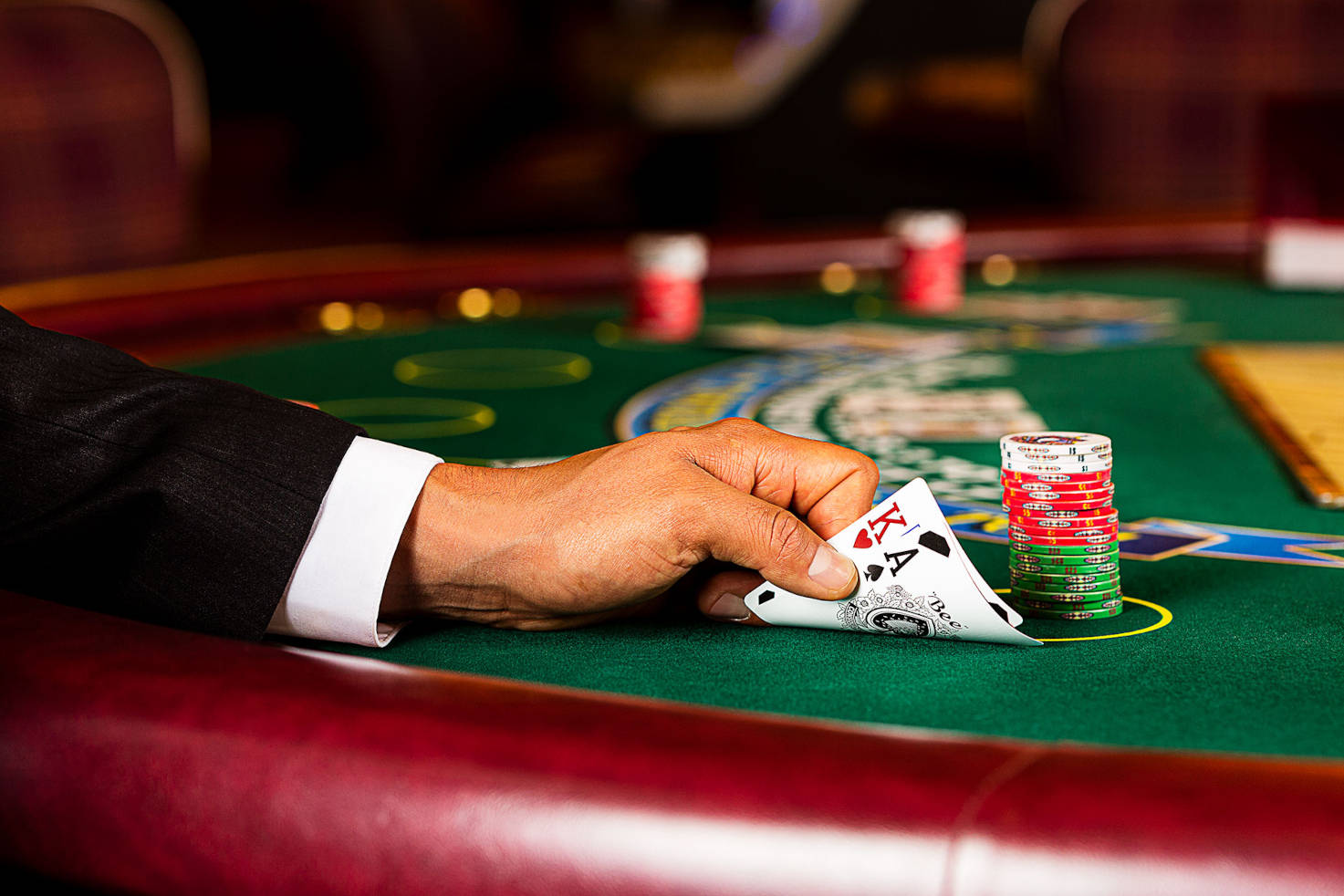
A natural Blackjack is an Ace and a 10-value card on the first two cards, typically paying 3:2.
Does card counting really work?
Card counting can reduce the house edge but requires practice, discipline, and favorable conditions.
Why is insurance a bad bet?
Insurance has a high house edge and rarely benefits players in the long run.
Can Blackjack be beaten consistently?
With perfect strategy and favorable rules, players can minimize losses, but consistent profits are rare without advanced techniques.
What bankroll size is recommended for Blackjack?
A bankroll should cover at least 50–100 minimum bets to handle variance.
Do Blackjack rules differ by casino?
Yes, rules vary widely, affecting payouts, dealer behavior, and allowed actions.

Comments are closed.